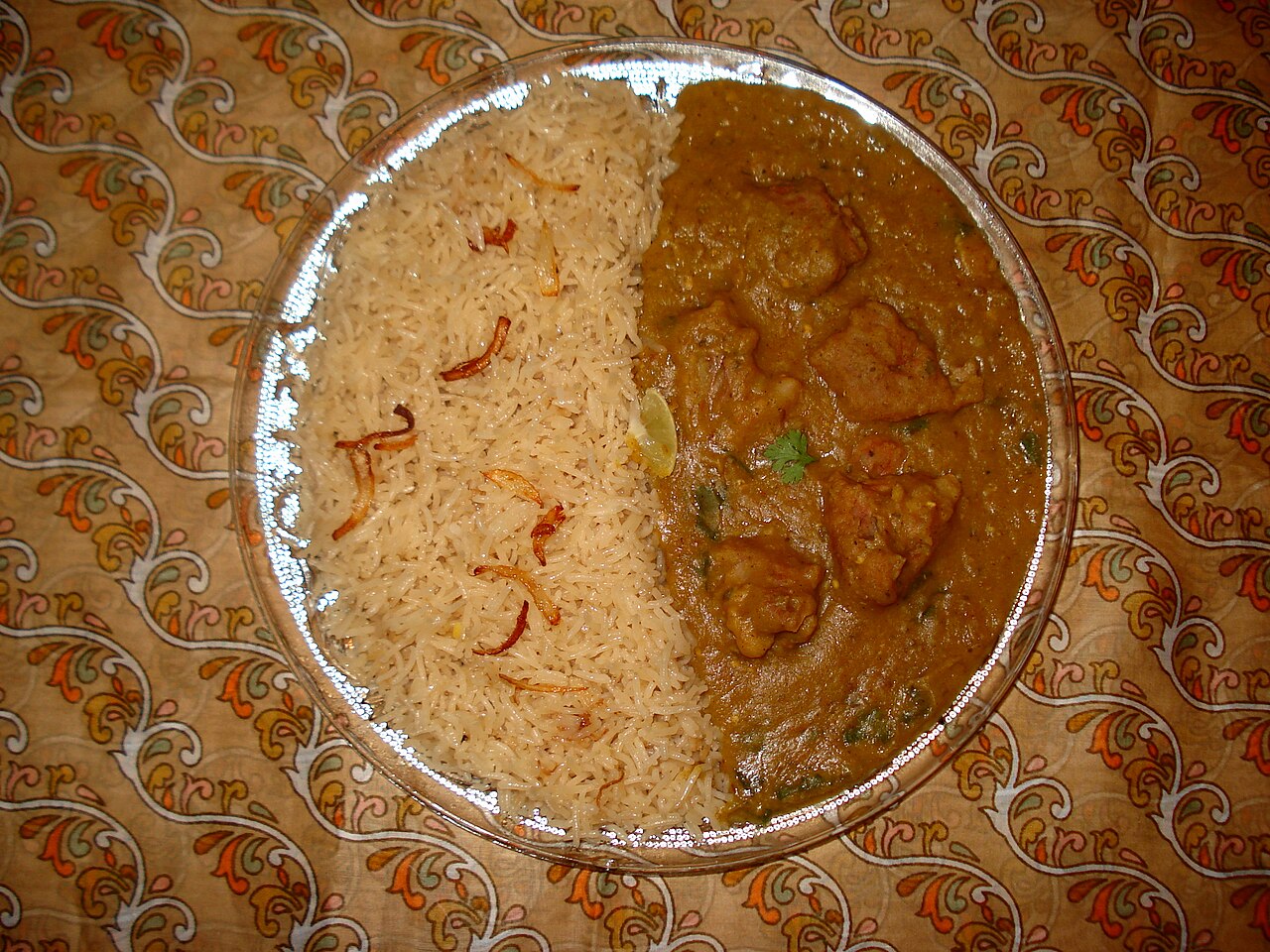
The rich tapestry of Indian cuisine offers an astounding array of flavors, textures, and aromas. Among the myriad of dishes gracing menus at Indian restaurants worldwide, one stands out for its distinctive blend of sweet, sour, and spicy notes: the enchanting Dhansak curry. Far from being a run-of-the-mill curry, Dhansak boasts a fascinating history, a unique blend of ingredients, and a taste profile that truly sets it apart. If you've ever wondered about the story behind this delicious creation or what goes into making it, you're about to embark on a flavorful journey.
Often considered a hidden gem, the indian restaurant Dhansak curry is a culinary testament to cultural fusion. It’s a hearty, wholesome dish typically prepared with meat (most commonly lamb or chicken) and a medley of vegetables, all slow-cooked with a blend of lentils and a signature spice mix. Its complex flavor profile makes it an intriguing option for those looking to explore beyond the usual Kormas and Tikka Masalas. Let's delve deeper into the origins and components that make Dhansak an unforgettable dining experience.
The Unique Fusion: Unpacking the Origins of Dhansak Curry
The story of Dhansak curry is as rich and intricate as its flavor. Unlike many dishes that trace their roots directly to various Indian states, Dhansak has a distinct heritage, emerging from the kitchens of India's Parsi community. The Parsis are descendants of Zoroastrian Persians who migrated to India over a thousand years ago to escape religious persecution. Settling primarily in the western Indian states of Gujarat and Maharashtra, particularly Mumbai, they brought with them a unique culinary tradition that beautifully blended Persian influences with local Indian ingredients and techniques.
Dhansak is the quintessential Parsi dish, traditionally prepared on Sundays and other non-religious days, as meat is usually avoided on auspicious occasions. The name itself is thought to be derived from a combination of "dhan" (meaning rice, referring to the brown rice it's traditionally served with) and "sak" (meaning vegetables). The addition of lentils, a staple in Indian cuisine, created a nourishing and flavorful stew that satisfied both taste buds and dietary needs.
Over time, as Parsi restaurants and home cooks began to share their cuisine, Dhansak's unique appeal started to spread. Its hearty nature and distinct sweet-sour-spicy balance quickly found a place on the menus of broader Indian restaurant favorite lists, albeit sometimes adapted to suit a wider palate. It represents a beautiful culinary bridge, showcasing how diverse communities have enriched India's gastronomic landscape, making the indian restaurant Dhansak curry a true symbol of cultural assimilation and innovation.
Essential Ingredients: What Makes a Dhansak Curry Truly Special?
The magic of Dhansak lies in its carefully chosen and balanced ingredients. It’s a symphony of textures and flavors, each component playing a crucial role in creating its iconic taste. Understanding these core elements helps appreciate the depth and complexity of this incredible dish.
The Heart of the Dish: Lentils (Dal)
- Multiple Dals: A true Dhansak typically uses a combination of several lentils (dals). Common varieties include toor dal (split pigeon peas), masoor dal (red lentils), moong dal (split yellow lentils), and sometimes chana dal (split chickpeas).
- Creamy Texture: The lentils are boiled until tender and then pureed, contributing a thick, creamy, and earthy base to the curry. This lentil base provides both nutritional value and a unique mouthfeel that distinguishes Dhansak from other meat-based curries.
The Protein Powerhouse: Meat (or Vegetarian Alternatives)
- Traditional Meats: Historically, lamb or goat is the preferred protein, slow-cooked until incredibly tender. Chicken Dhansak is also a popular variant, offering a slightly lighter option while still capturing the dish's essence.
- Vegetarian Adaptations: For those who prefer a meat-free option, many Indian restaurant dishes including Dhansak, offer delicious vegetarian alternatives. These often feature paneer (Indian cheese), chickpeas, or a greater abundance of mixed vegetables to provide substance and flavor, ensuring everyone can enjoy this unique curry.
Aromatic Spices and Flavor Builders
- Dhansak Masala: The soul of Dhansak is its distinctive spice blend, known as Dhansak masala. While recipes vary, it typically includes a warming mix of cumin, coriander, turmeric, red chili powder, and often whole spices like cinnamon, cardamom, cloves, and fenugreek seeds. Fresh ginger and garlic paste are fundamental aromatics.
- Sweet and Sour Elements: What truly sets Dhansak apart is its characteristic sweet and sour profile. This is achieved through the use of tamarind pulp (for tanginess) and often jaggery (unrefined cane sugar) or a touch of brown sugar for sweetness. Some recipes also use a hint of vinegar.
- Richness: Onions are caramelized to add depth, and tomatoes provide acidity and body to the sauce.
The Green Goodness: Vegetables
A generous amount of mixed vegetables is integral to Dhansak, not just for nutrition but also for texture and flavor. Common additions include:
- Pumpkin or squash (contributes sweetness and body)
- Brinjal (eggplant)
- Spinach (adds an earthy, leafy component)
- Potatoes
- Bottle gourd (lauki)
- Fenugreek leaves (methi)
These vegetables are typically cooked until very tender, often pureed with the lentils, making the curry thick and wholesome.
The Dhansak Experience: Taste Profile and How It Differs
When you order a indian restaurant Dhansak curry, you're not just getting a meal; you're experiencing a complex interplay of tastes that dance on the palate. Its unique flavor profile is a harmonious blend of several elements:
- Sweetness: A subtle underlying sweetness, often from pumpkin or jaggery, provides a comforting warmth.
- Sourness: A tangy kick, primarily from tamarind, brightens the dish and prevents it from being cloying.
- Spice: A well-balanced level of spice, derived from chili powder and the Dhansak masala, offers a pleasant heat without overwhelming the other flavors.
- Earthiness: The lentils contribute a deep, grounding earthiness that forms the backbone of the dish.
- Savory Depth: The slow-cooked meat and caramelized onions add a rich, umami depth.
This distinct combination sets Dhansak apart from other popular curries you might find at an Indian restaurant. Unlike the creamy, mild Korma, the fiery Vindaloo, or the tomato-rich Madras, Dhansak offers a taste that is simultaneously comforting and exotic. Its thick, almost stew-like consistency and the prominent presence of lentils and vegetables give it a heartiness that is incredibly satisfying. Traditionally, Dhansak is served with brown rice (caramelized rice), which is a staple of Parsi cuisine and perfectly complements the curry’s rich flavors, although it pairs equally well with naan or roti.
Tips for Enjoying Dhansak Curry at Your Local Indian Restaurant
Ready to try this unique dish? Here are some tips to enhance your Dhansak experience:
- Ask About Variations: Don't hesitate to ask your server if they offer both meat (lamb, chicken) and vegetarian versions. Some restaurants might also have a "Parsi Dhansak" which often adheres more closely to traditional recipes.
- Pair with Brown Rice: While naan and regular basmati rice are delicious, if the restaurant offers brown rice (often called dhan-saak ni chawal or caramelized rice), it's highly recommended. The slightly sweet and savory notes of the brown rice are the perfect traditional accompaniment to cut through the richness of the curry.
- Consider the Spice Level: Dhansak traditionally has a moderate to medium spice level, but this can vary between establishments. If you're sensitive to heat, it's always wise to inquire about the curry's spiciness.
- Appreciate the Complexity: Take your time to savor the layers of flavor. Dhansak isn't a simple curry; it's a culinary journey with sweet, sour, and spicy elements evolving with each bite.
- It’s a Complete Meal: Due to the lentils, vegetables, and meat, Dhansak is an incredibly wholesome and filling dish on its own. It's truly a must-try Indian restaurant dish that offers a complete and satisfying meal experience.
In conclusion, the indian restaurant Dhansak curry is more than just another item on the menu; it's a testament to a rich cultural heritage and a culinary masterpiece. Its intricate blend of lentils, vegetables, meat, and a unique spice profile creates a symphony of sweet, sour, and spicy notes that is both distinctive and deeply satisfying. From its Parsi origins to its present-day popularity, Dhansak offers a taste adventure that stands out in the diverse world of Indian cuisine. The next time you visit an Indian restaurant, make sure to seek out this incredible dish and discover Dhansak Curry: A Guide to the Indian Restaurant Favorite, you won't be disappointed.
